Published: 29 Apr 2026
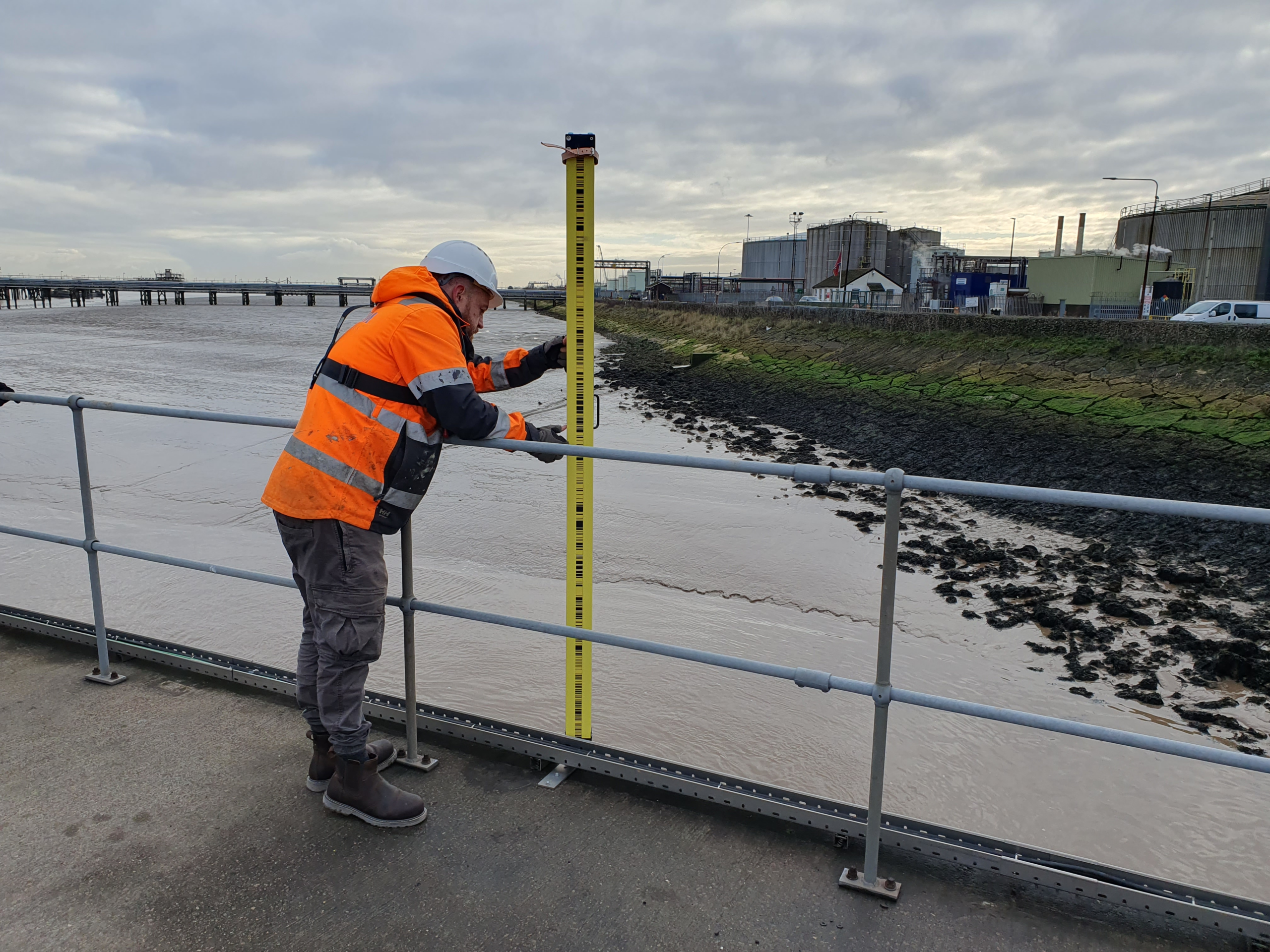
Although most geospatial surveying is carried out on land, some surveyors specialise in hydrographic surveys. Also known as underwater and river surveys, this form of geospatial data collection is more complex in terms of how the information is collected, but relies on the same basic principles of any other form of surveying. In the next of our snapshots of how geospatial data is gathered, we ask, “Where would we be without Hydrographic Surveys?”
Depth of knowledge
The answer, of course, is “All at sea”. Hydrographic surveys are an important aspect of global mapping and are useful at finding a myriad of features and structures concealed by water. In the same way that underground utility surveys reveal what lies beneath ground level, hydrographic surveys explore the depths of various bodies of water. They are a practical way to explore oceans, the sea, inlets, harbours and coastal areas, lakes, rivers, meres, pools, estuaries and other watery expanses.
Hydrographic surveys map areas such as ocean floors and riverbeds, to show how the ground undulates and indicates depths and other data. They can be used for civil engineering projects, such as bridges, or for maritime projects like dredging or environmental issues. They can also map the ocean floor for navigational purposes.
Expansive projects
River and canal surveys have defined parameters and follow the course of the waterways, whereas oceans and seas are more complicated and expansive, requiring survey vessels and other equipment. But they don’t just explore and map subaquatic landscapes. They are also used by maritime industries, construction firms, insurance companies and government agencies to inspect, map and evaluate submerged structures and vessels. They are essential for ensuring the safety and maintenance of bridges, harbours and waterways, docks, oil rigs and pipelines, as well as checking the condition of boat hulls and the position of wrecks.
The importance of geospatial surveyors is exemplified by the number of sectors the profession can be involved with – everyone from environmental campaigners, cartographers and construction projects, to local councils, planners and lawyers settling boundary disputes. Hydrographic surveys are another discipline and a specialist area of surveying knowledge, with its own equipment and skillsets. Once collected, the digital data can be processed to create digital models and 3D views of the terrain or structure. This information is invaluable, as so much beneath the waterline is unseen and unknown.
Dive into a new career in geospatial surveying
The breadth of knowledge required to be a surveyor goes beyond maths and an ambition to work outdoors. There are many different disciplines that feed into surveying and people with all kinds of backgrounds enter the profession. The flexibility and appeal of working outside and inside – not simply being office-based – is a big draw for many people. It’s also a career that can be learned and enhanced whilst doing the job. This can be via apprenticeships, with professional qualifications available and ongoing development an option, through courses such as The Survey School curriculum and other organisations and bodies.
There’s a lot more information about routes into surveying here https://www.becomeasurveyor.com/ with case studies and practical insight into how to join the profession and map out a successful career.